Dual pricing
One catalog, two buying modes — retail prices for shoppers and account pricing for business buyers.
- Consumer and account price lists
- Customer classifications
- Promotions for B2C
- Quoted / contract pricing for B2B
- Tax rules per channel
Serve consumers and business buyers from a single DistyMan deployment — shared inventory and SKUs, dual pricing, fast B2C checkout and full B2B quote-to-order workflows.
Stop running separate stacks for retail and B2B. DistyMan Unified keeps one catalog of truth — with the checkout and quote workflows each channel needs.
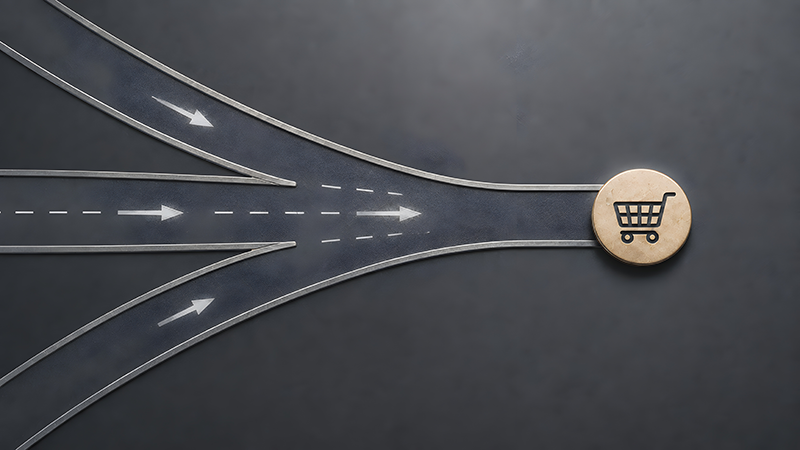
One catalog, two buying modes — retail prices for shoppers and account pricing for business buyers.
Real-time stock across warehouses so retail and B2B channels never fight over the same SKU truth.
Fast consumer checkout with promotions, accounts and payment gateways — on sub-500ms pages.
RFQ, purchase orders, samples and net terms for the same catalog your retail shoppers browse.
Serve retail shoppers and business accounts from the same platform — with access, pricing and workflows that match each buyer type.
One product catalog of truth for both channels — with the option to present different content, attributes and buying paths where needed.
Parametric search, filters and part lookup work across retail and B2B so every buyer finds the right SKU on the same catalog.
Connect unified commerce to ERP, PIM, warehouse, marketing and analytics so both channels stay in sync.
Faster pages improve engagement, conversion and crawl coverage — and make your catalog easier for search engines and AI platforms to index.
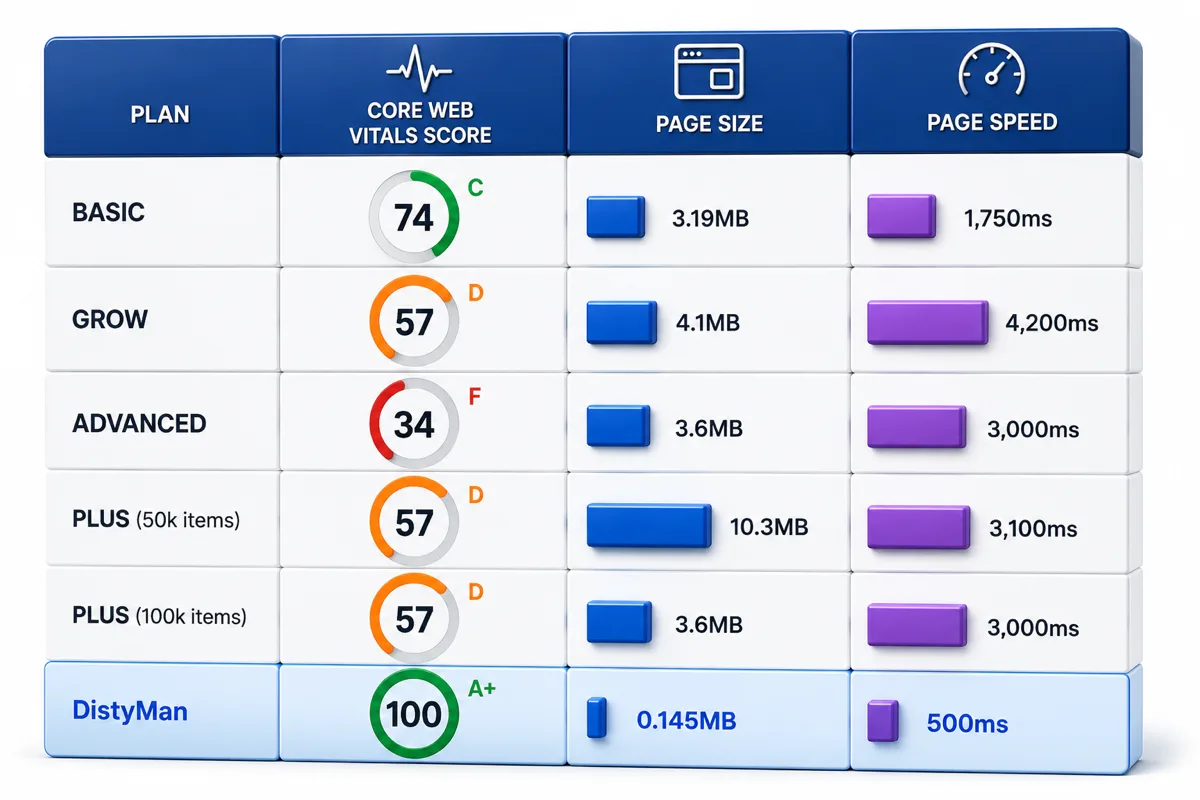
We compared DistyMan with ten of the largest e-commerce platforms, measuring monthly cost, Core Web Vitals, page size and page speed.
DistyMan’s performance was more than 5× better on all levels. Compared to our largest competitor, we found DistyMan offered:
Available on demand or under contract — decades of experience across web, print, content and AI. We specialize in websites for manufacturers and distributors.
24/5 support across the United States, India and Malaysia. Continuous monitoring and process improvement across all deployments.
Continual improvement under an ISO 9001:2015 process. Custom ERP, payments and workflow requirements are encouraged.
Award-winning design from concept through wireframes and production — tuned for industrial catalogs and conversion.
Product data, datasheets, SEO copy, PPC and campaigns so the site keeps working after launch.
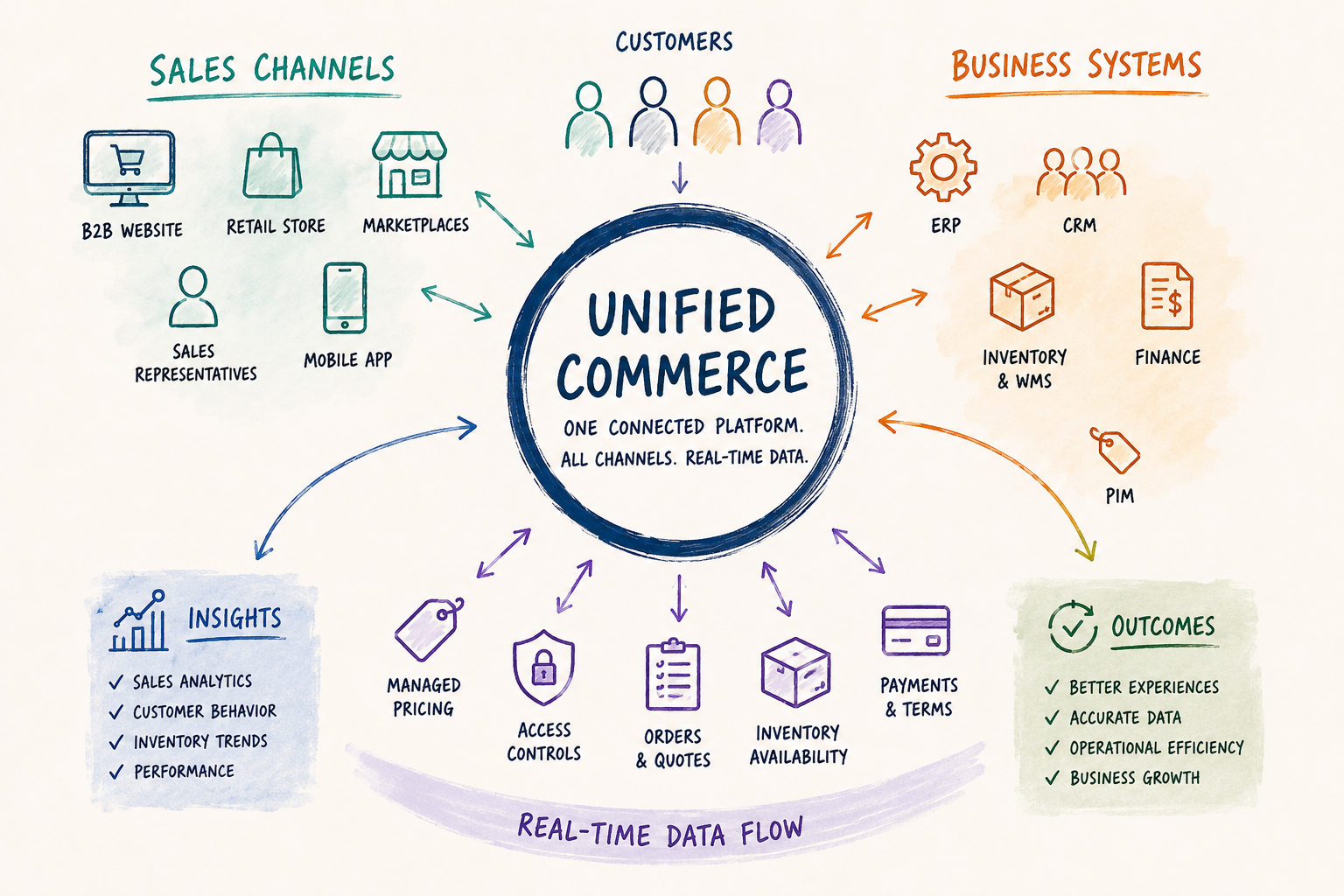
Learn how unified commerce connects B2B and retail e-commerce, customer pricing, inventory, ERP, orders and sales channels through one integrated platform.
Read article →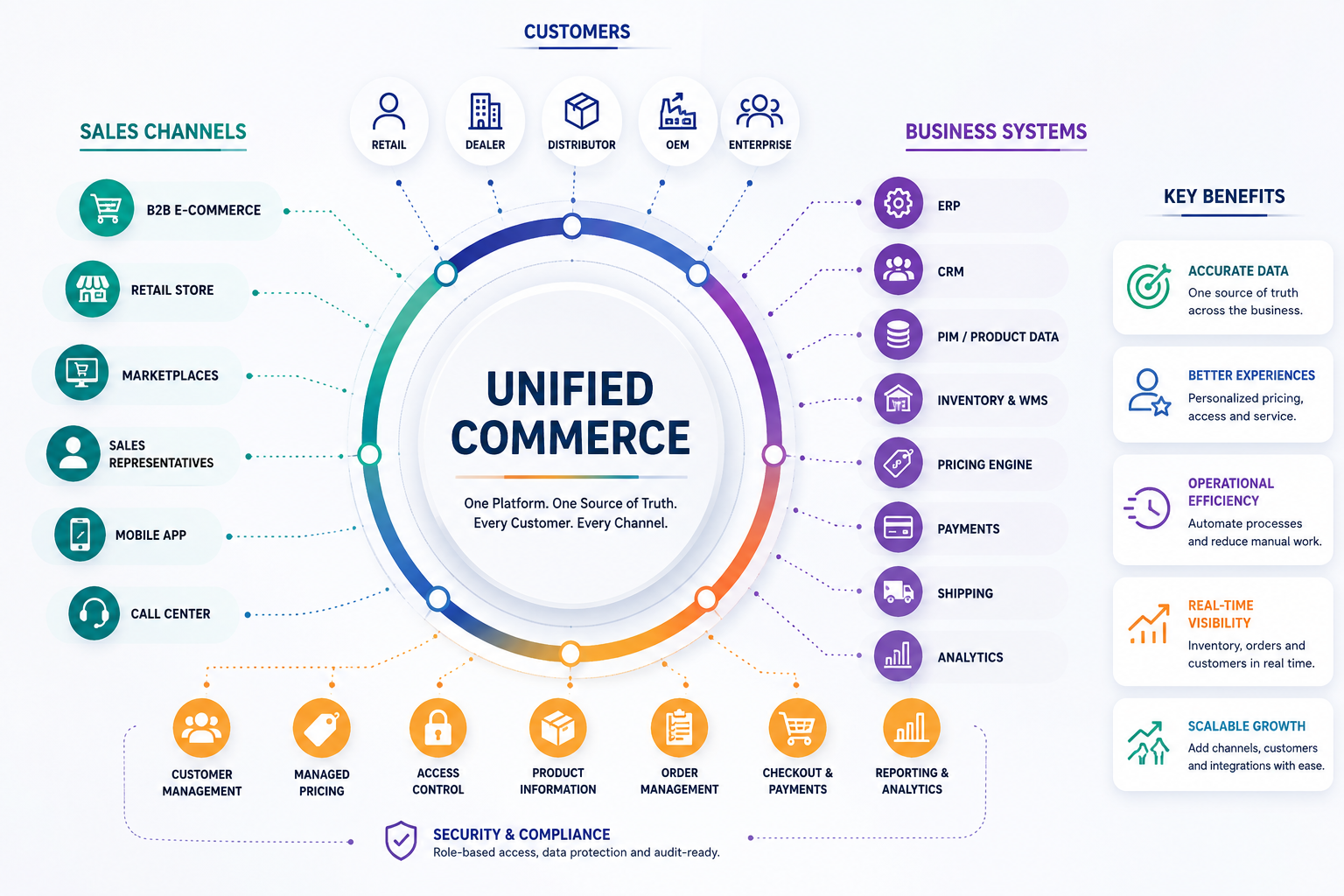
Learn how unified commerce connects B2B and retail e-commerce, product data, customer levels, managed pricing, inventory, ERP and sales channels on one platform.
Read article →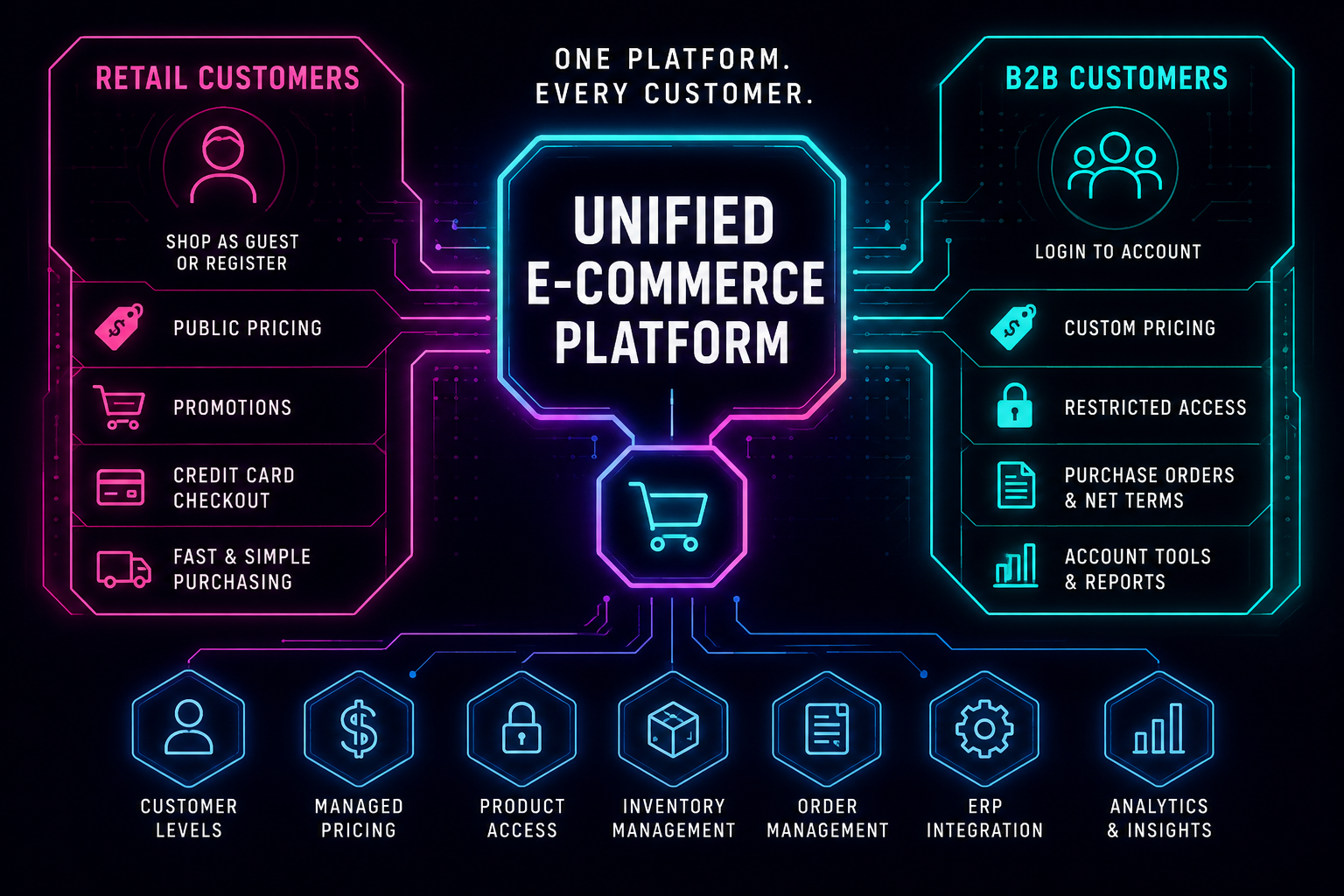
Discover how unified e-commerce combines retail and B2B sales with customer levels, managed pricing, access, inventory and checkout on one platform.
Read article →Unified e-commerce combines B2B and B2C commerce on a shared platform, allowing businesses to manage products, inventory, pricing, customers, orders, and integrations from one centralized system.
Yes. DistyMan supports B2B and B2C e-commerce within one platform while allowing different pricing, customer accounts, purchasing workflows, and checkout experiences.
Yes. The platform supports customer-specific, account-level, quantity, contract, retail, discount, and promotional pricing.
Yes. A centralized product catalog can support both business and consumer commerce while presenting different information and purchasing experiences where required.
Yes. Inventory can be connected to ERP, warehouse, and other systems to synchronize product availability across commerce channels.
Yes. DistyMan provides API connectivity and automated workflows for connecting e-commerce with ERP, PIM, CRM, inventory, warehouse, marketing, and other systems.
Yes. The platform supports standard B2C orders as well as B2B quotes, RFQs, sample requests, purchase orders, credit accounts, and other business purchasing workflows.
A unified platform can reduce duplicated systems and data while centralizing product information, inventory, integrations, and commerce management across customer types and sales channels.
Book a 45-minute demo — and we’ll walk through performance, discovery and integrations for your catalog.